Sorry, no results.
Please try another keyword
Épisode
23 mai 2024 -
Emmanuelle PorcherCollège de FranceBiodiversité et écosystèmesAnnée 2023-2024Colloque - Nouvelles approches pour le suivi des plantes, des pollinisateurs et de leurs interactions dans un monde en changement : forestREplot: A Database of Forest Herb Layer Resurvey PlotsPieter de FrenneForest & Nature Lab, Ghent University, Ghent, BelgiumRésuméResurveys of historical vegetation plots are...
Emmanuelle PorcherCollège de FranceBiodiversité et écosystèmesAnnée 2023-2024Colloque - Nouvelles approches pour le suivi des plantes, des pollinisateurs et de leurs interactions dans un monde en changement : forestREplot: A Database of Forest Herb Layer Resurvey PlotsPieter de FrenneForest & Nature Lab, Ghent University, Ghent, BelgiumRésuméResurveys of historical vegetation plots are invaluable to document patterns of change in community composition and diversity. They are also useful to better understand impacts of multiple and interacting global-change drivers. The relevance of resurveys is particularly high for communities exhibiting slow dynamics, such as herb layers in temperate forests. Furthermore, herb layers in temperate forests typically comprise a large fraction of the vascular plant diversity and are known to be strongly affected by various global-change drivers, including past land use, increased atmospheric deposition and changing management. forestREplot is a database of forest herb layer resurvey plots, spread across the temperate zones of the globe. The database is used to quantify changes in herb layer composition and forest functioning, and to assess the effects of global environmental changes such as nitrogen deposition and climate change. The total number of plots in the database is now 5,524 plots representing not less than 14,185 relevees. The just released forestREplot 3.0 (January 2024) is now based on the World Flora Online (WFO) as new taxonomic standard. We have now 79 data sets with 1 resurvey, 9 with 2 resurveys, 2 with 3 resurveys, 3 with 4 resurveys, and 2 with 5 resurveys.Pieter De FrenneFull professor of applied botany.
Afficher plus
Emmanuelle Porcher
Collège de France
Biodiversité et écosystèmes
Année 2023-2024
Colloque - Nouvelles approches pour le suivi des plantes, des pollinisateurs et de leurs interactions dans un monde en changement : forestREplot: A Database of Forest Herb Layer Resurvey Plots
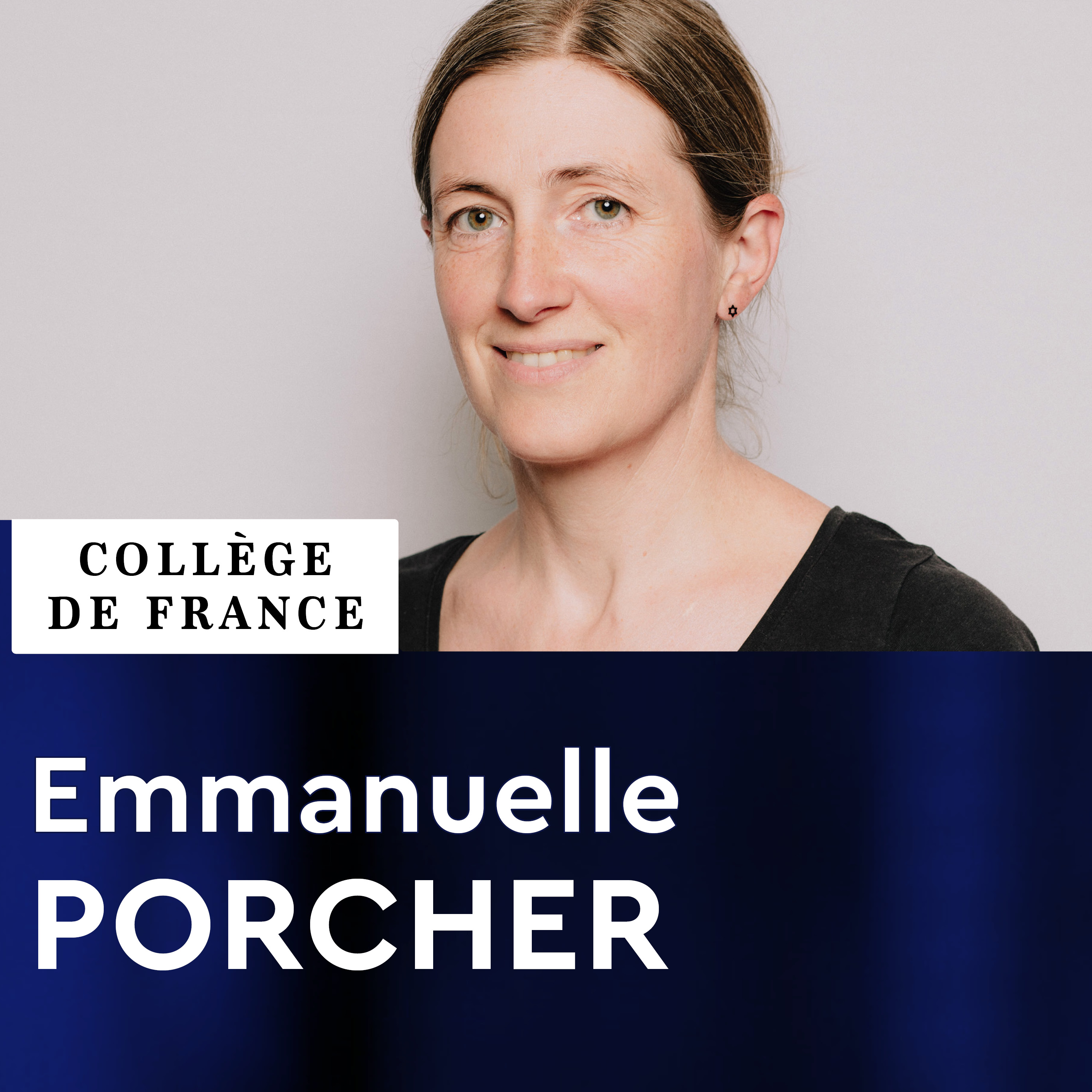
Pieter de Frenne
Forest & Nature Lab, Ghent University, Ghent, Belgium
Résumé
Resurveys of historical vegetation plots are invaluable to document patterns of change in community composition and diversity. They are also useful to better understand impacts of multiple and interacting global-change drivers. The relevance of resurveys is particularly high for communities exhibiting slow dynamics, such as herb layers in temperate forests. Furthermore, herb layers in temperate forests typically comprise a large fraction of the vascular plant diversity and are known to be strongly affected by various global-change drivers, including past land use, increased atmospheric deposition and changing management. forestREplot is a database of forest herb layer resurvey plots, spread across the temperate zones of the globe. The database is used to quantify changes in herb layer composition and forest functioning, and to assess the effects of global environmental changes such as nitrogen deposition and climate change. The total number of plots in the database is now 5,524 plots representing not less than 14,185 relevees. The just released forestREplot 3.0 (January 2024) is now based on the World Flora Online (WFO) as new taxonomic standard. We have now 79 data sets with 1 resurvey, 9 with 2 resurveys, 2 with 3 resurveys, 3 with 4 resurveys, and 2 with 5 resurveys.
Pieter De Frenne
Full professor of applied botany.
Pas de transcription pour le moment.
Collège de France
Collège de France
Vous devez être connecté pour soumettre un avis.
Collège de France
Colloque – Nouvelles approches pour le suivi des plantes, des pollinisateurs et de leurs interactions dans un monde en changement : Closing discussions
23 mai 2024 · 4:19
Colloque – Nouvelles approches pour le suivi des plantes, des pollinisateurs et de leurs interactions dans un monde en changement : Collaborative AI for Plant Biodiversity Monitoring: From Pl@ntNet to GeoPl@ntNet
23 mai 2024 · 25:51
Colloque – Nouvelles approches pour le suivi des plantes, des pollinisateurs et de leurs interactions dans un monde en changement : The Spipoll Project: Monitoring Plant-Visitor Interactions in France with Citizen Science
23 mai 2024 · 25:35
Colloque – Nouvelles approches pour le suivi des plantes, des pollinisateurs et de leurs interactions dans un monde en changement : European Initiatives for Pollinator Monitoring
23 mai 2024 · 21:00
Colloque – Nouvelles approches pour le suivi des plantes, des pollinisateurs et de leurs interactions dans un monde en changement : European Policy Background for Pollinator Monitoring
23 mai 2024 · 15:01
Sans détour
Rester « groundé » quand tout va trop vite
30 avril 2026 · 36:30
Grandir Nature Le Podcast
Allaiter son bébé… et donner son lait à d’autres : le témoignage de Éléa EP020
13 septembre 2026 · 22:50
PAS SAGE, Maylène Itçaina
Quand le corps devient boussole
20 mai 2026 · 1:14:03
M Bien Être Ayurveda
Méditation sur les points marmas Ayurvédiques
15 février 2026 · 26:38
LOLA ET BASTA !
1314 000 000 000 kg de TNT
14 février 2026 · 2:41:23
Versatile Podcast
Entraînement minimaliste et mouvement quotidien avec Léo Colognesi
29 mars 2026 · 43:26
Madame Pourquoi
Revenir au corps, la piste oubliée pour cultiver sa sécurité intérieure
26 avril 2026 · 1:05:48
Parole déployée
Art et identité
12 février 2026 · 10:40
You are Hormonal
Comprendre son cycle menstruel : éducation et symptothermie pour la santé hormonale des femmes
10 mars 2026 · 1:04:10
Pas très bavarde
43 – Ma psy m’a posée une question vendredi à laquelle j’ai été incapable de répondre
23 septembre 2026 · 37:16