Sorry, no results.
Please try another keyword
Épisode
23 mai 2024 -
Emmanuelle PorcherCollège de FranceBiodiversité et écosystèmesAnnée 2023-2024Colloque - Nouvelles approches pour le suivi des plantes, des pollinisateurs et de leurs interactions dans un monde en changement : European Initiatives for Pollinator MonitoringDenis MichezLaboratory of Zoology, University of Mons, Mons, BelgiumRésuméSeveral studies have now shown at different spatial scale that certain...
Emmanuelle PorcherCollège de FranceBiodiversité et écosystèmesAnnée 2023-2024Colloque - Nouvelles approches pour le suivi des plantes, des pollinisateurs et de leurs interactions dans un monde en changement : European Initiatives for Pollinator MonitoringDenis MichezLaboratory of Zoology, University of Mons, Mons, BelgiumRésuméSeveral studies have now shown at different spatial scale that certain species of the wild bee fauna are in decline in Europe. In response, some European countries and the European commission are implementing action plans to mitigate negative population trends. To evaluate the efficiency of these actions we need an accurate estimation of population. One of the first actions proposed is therefore an ambitious monitoring program, which involves the development of taxonomic recognition tools and training to use them. Several projects started in 2021 and concern the whole of European continent. We will present here the initiatives on taxonomy (ORBIT project) and on capacity building (SPRING project). ORBIT and SRPING are three-years projects commissioned by the General Directorate for Environment of the European Commission. Orbit aims to develop taxonomic resources for facilitating European bee inventory and monitoring. SPRING aims to strengthen the taxonomic capacity in EU Member States, and support preparation for the implementation of the EU Pollinator Monitoring Scheme "EU-PoMS", notably by organising training sessions for different level of expertise. The trainings aimed at 4 different levels: (i) identifying large pollinator groups, (ii) identifying bees and hoverflies to genus level, (iii) identifying bees or hoverflies to species group level, (iv) identifying bees or hoverflies to species level. Trainings at level (i) were developed at the national scale; levels (ii) and (iii) were covering multiple countries; and level (iv) considered the whole Europe. Moreover, the project created a series of e-learing materials on pollinator identification at different levels, focusing on the needs of people involved on the monitoring. All this material will be open to the public on the online portal 'Pollinator Academy', that will act as a hub to centralise information about already available tools related to pollinator identification (articles, online keys, books, interesting links, other courses, etc.).Denis MichezJe suis professeur de botanique et de zoologie à l'université de Mons où j'enseigne depuis 2008. Je développe des recherches sur les abeilles sauvages, leur taxonomie, leur distribution, leur écologie ou encore leur conservation. Je suis impliqué dans plusieurs projets européens, notamment sur le développement de liste rouge et sur l'impact des pesticides ou du changement climatique.
Afficher plus
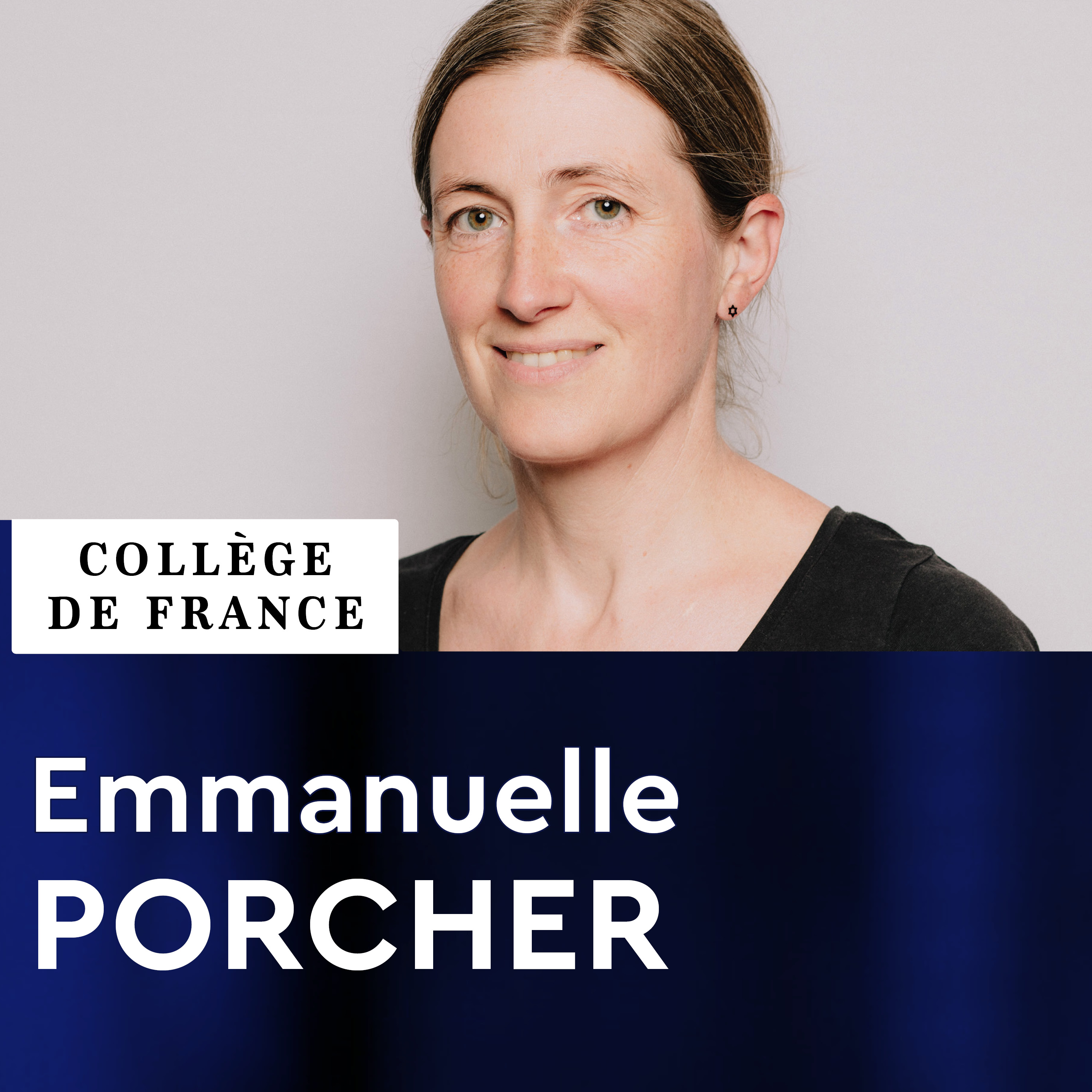
Emmanuelle Porcher
Collège de France
Biodiversité et écosystèmes
Année 2023-2024
Colloque - Nouvelles approches pour le suivi des plantes, des pollinisateurs et de leurs interactions dans un monde en changement : European Initiatives for Pollinator Monitoring
Denis Michez
Laboratory of Zoology, University of Mons, Mons, Belgium
Résumé
Several studies have now shown at different spatial scale that certain species of the wild bee fauna are in decline in Europe. In response, some European countries and the European commission are implementing action plans to mitigate negative population trends. To evaluate the efficiency of these actions we need an accurate estimation of population. One of the first actions proposed is therefore an ambitious monitoring program, which involves the development of taxonomic recognition tools and training to use them. Several projects started in 2021 and concern the whole of European continent. We will present here the initiatives on taxonomy (ORBIT project) and on capacity building (SPRING project). ORBIT and SRPING are three-years projects commissioned by the General Directorate for Environment of the European Commission. Orbit aims to develop taxonomic resources for facilitating European bee inventory and monitoring. SPRING aims to strengthen the taxonomic capacity in EU Member States, and support preparation for the implementation of the EU Pollinator Monitoring Scheme "EU-PoMS", notably by organising training sessions for different level of expertise. The trainings aimed at 4 different levels: (i) identifying large pollinator groups, (ii) identifying bees and hoverflies to genus level, (iii) identifying bees or hoverflies to species group level, (iv) identifying bees or hoverflies to species level. Trainings at level (i) were developed at the national scale; levels (ii) and (iii) were covering multiple countries; and level (iv) considered the whole Europe. Moreover, the project created a series of e-learing materials on pollinator identification at different levels, focusing on the needs of people involved on the monitoring. All this material will be open to the public on the online portal 'Pollinator Academy', that will act as a hub to centralise information about already available tools related to pollinator identification (articles, online keys, books, interesting links, other courses, etc.).
Denis Michez
Je suis professeur de botanique et de zoologie à l'université de Mons où j'enseigne depuis 2008. Je développe des recherches sur les abeilles sauvages, leur taxonomie, leur distribution, leur écologie ou encore leur conservation. Je suis impliqué dans plusieurs projets européens, notamment sur le développement de liste rouge et sur l'impact des pesticides ou du changement climatique.
Pas de transcription pour le moment.
Collège de France
Collège de France
Vous devez être connecté pour soumettre un avis.
Collège de France
Colloque – Nouvelles approches pour le suivi des plantes, des pollinisateurs et de leurs interactions dans un monde en changement : Closing discussions
23 mai 2024 · 4:19
Colloque – Nouvelles approches pour le suivi des plantes, des pollinisateurs et de leurs interactions dans un monde en changement : Collaborative AI for Plant Biodiversity Monitoring: From Pl@ntNet to GeoPl@ntNet
23 mai 2024 · 25:51
Colloque – Nouvelles approches pour le suivi des plantes, des pollinisateurs et de leurs interactions dans un monde en changement : The Spipoll Project: Monitoring Plant-Visitor Interactions in France with Citizen Science
23 mai 2024 · 25:35
Colloque – Nouvelles approches pour le suivi des plantes, des pollinisateurs et de leurs interactions dans un monde en changement : European Policy Background for Pollinator Monitoring
23 mai 2024 · 15:01
Colloque – Nouvelles approches pour le suivi des plantes, des pollinisateurs et de leurs interactions dans un monde en changement : forestREplot: A Database of Forest Herb Layer Resurvey Plots
23 mai 2024 · 26:19
Sans détour
Rester « groundé » quand tout va trop vite
30 avril 2026 · 36:30
Grandir Nature Le Podcast
Allaiter son bébé… et donner son lait à d’autres : le témoignage de Éléa EP020
13 septembre 2026 · 22:50
PAS SAGE, Maylène Itçaina
Quand le corps devient boussole
20 mai 2026 · 1:14:03
M Bien Être Ayurveda
Méditation sur les points marmas Ayurvédiques
15 février 2026 · 26:38
LOLA ET BASTA !
1314 000 000 000 kg de TNT
14 février 2026 · 2:41:23
Versatile Podcast
Entraînement minimaliste et mouvement quotidien avec Léo Colognesi
29 mars 2026 · 43:26
Madame Pourquoi
Revenir au corps, la piste oubliée pour cultiver sa sécurité intérieure
26 avril 2026 · 1:05:48
Parole déployée
Art et identité
12 février 2026 · 10:40
You are Hormonal
Comprendre son cycle menstruel : éducation et symptothermie pour la santé hormonale des femmes
10 mars 2026 · 1:04:10
Pas très bavarde
43 – Ma psy m’a posée une question vendredi à laquelle j’ai été incapable de répondre
23 septembre 2026 · 37:16