Sorry, no results.
Please try another keyword
Épisode
23 mai 2024 -
Emmanuelle PorcherCollège de FranceBiodiversité et écosystèmesAnnée 2023-2024Colloque - Nouvelles approches pour le suivi des plantes, des pollinisateurs et de leurs interactions dans un monde en changement : Biodiversity Monitoring in Switzerland: Current State and Insights into Plant-Pollinator InteractionsJérôme FreiSenior Policy Advisor, Federal Office for the EnvironmentTobias RothSenior scientists, Hintermann &...
Emmanuelle PorcherCollège de FranceBiodiversité et écosystèmesAnnée 2023-2024Colloque - Nouvelles approches pour le suivi des plantes, des pollinisateurs et de leurs interactions dans un monde en changement : Biodiversity Monitoring in Switzerland: Current State and Insights into Plant-Pollinator InteractionsJérôme FreiSenior Policy Advisor, Federal Office for the EnvironmentTobias RothSenior scientists, Hintermann & Weber AG / University of BaselRésuméSwitzerland's biodiversity is systematically surveyed by an array of programs, each designed to cover distinct facets of biodiversity across spatial scales as well as policy evaluation needs.Although each initiative has discrete aims, collectively, they form a complementary set of programs that collect data, when analyzed in combination, offer significant added value to document and understand biodiversity trends. One of these programs is the Swiss Biodiversity Monitoring (BDM) which focuses on the collection of data on common and widespread species, thereby illuminating developments in the normal landscapes outside protected areas. Special attention is paid to vascular plants and butterflies, which are recorded on the same study plots. Since the start of the program in the early 2000s, an increase in common species diversity has been observed for both groups. While a large portion of this increase can be attributed to climate change, other factors such as agricultural promotion measures contributed as well. However, only a subset of species benefited from these changes, and over time, species communities of both plants and butterflies became more homogeneous, indicating biotic homogenization. It is likely that these changes also impacted plant-pollinator interactions. For example, the overall increase in plant species richness was mostly driven by wind-pollinated species. In contrast, species with complex flowers, which are essential for specialized groups of flower-visiting insects profited less. The presentation will end with a look forward, identifying current gaps in the Swiss monitoring system and discussing approaches to address these gaps.Jérôme FreiJérôme Frei is a scientific employee at the Federal Office for the Environment in the division Biodiversity and Landscape (section biodiversity policy) where he is responsible for the major national monitoring and evaluation biodiversity programs of Switzerland (BDM, WBS, ALL-EMA and MHB). His tasks include promoting collaboration and coordination between the different programs. He promotes research work on biodiversity data and facilitates the communication of results of the different monitoring and evaluation programs to policy-makers and decision-makers. He holds a PhD in biology and a master in sustainable development. Previously, he worked at the Federal Office for Agriculture where he we was in charge for the agri-environmental monitoring and was involved in the development of agrienvironemntal schemes to promote biodiversity in farmland.Tobias RothMy research is centred on using data from large-scale field surveys such as the Biodiversity Monitoring Switzerland, to better understand how biodiversity responds to global change such as nitrogen deposition, land-use, or climate-change. I focus on the human-dominated landscapes in Switzerland and aim to provide information that can be used in biodiversity conservation.
Afficher plus
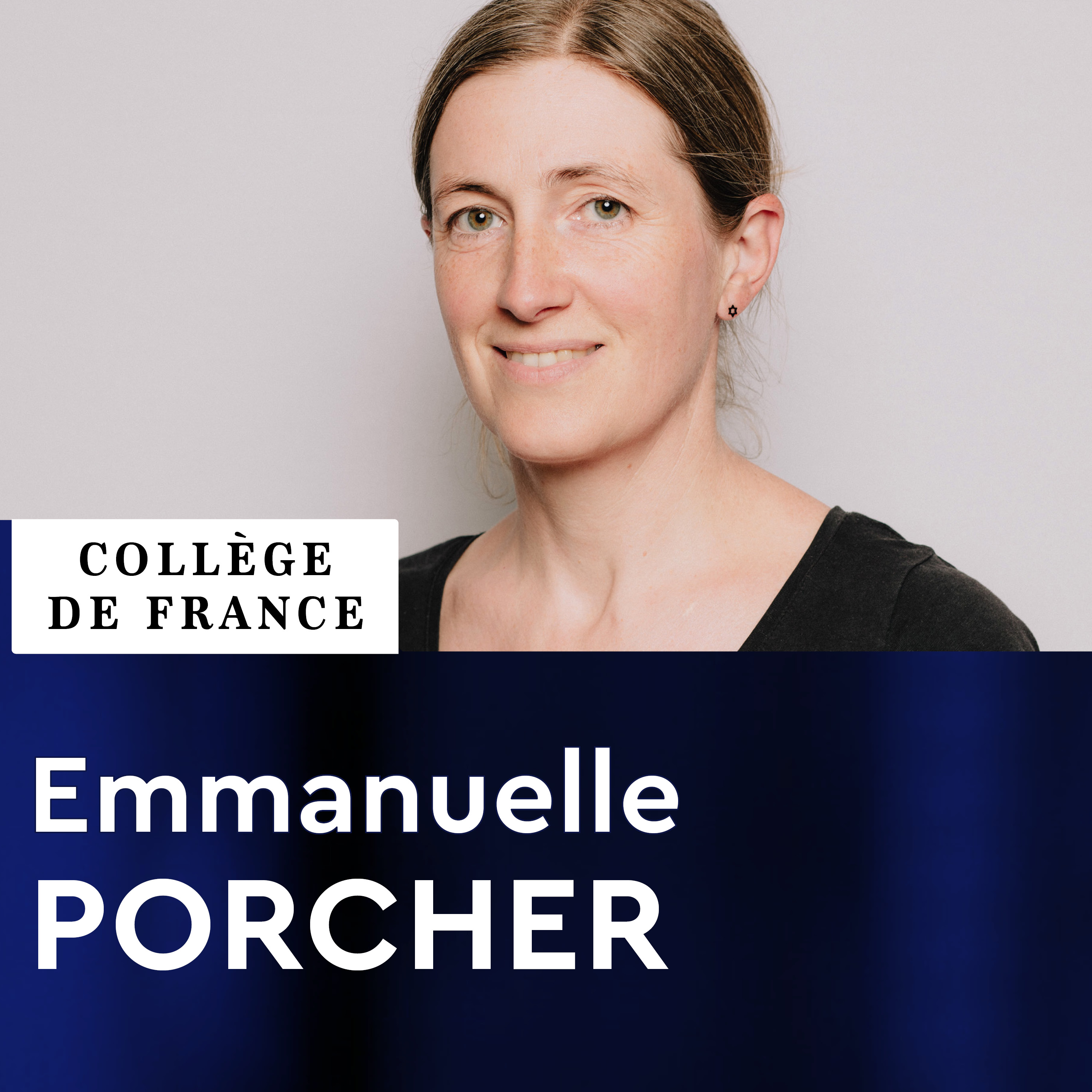
Emmanuelle Porcher
Collège de France
Biodiversité et écosystèmes
Année 2023-2024
Colloque - Nouvelles approches pour le suivi des plantes, des pollinisateurs et de leurs interactions dans un monde en changement : Biodiversity Monitoring in Switzerland: Current State and Insights into Plant-Pollinator Interactions
Jérôme Frei
Senior Policy Advisor, Federal Office for the Environment
Tobias Roth
Senior scientists, Hintermann & Weber AG / University of Basel
Résumé
Switzerland's biodiversity is systematically surveyed by an array of programs, each designed to cover distinct facets of biodiversity across spatial scales as well as policy evaluation needs.
Although each initiative has discrete aims, collectively, they form a complementary set of programs that collect data, when analyzed in combination, offer significant added value to document and understand biodiversity trends. One of these programs is the Swiss Biodiversity Monitoring (BDM) which focuses on the collection of data on common and widespread species, thereby illuminating developments in the normal landscapes outside protected areas. Special attention is paid to vascular plants and butterflies, which are recorded on the same study plots. Since the start of the program in the early 2000s, an increase in common species diversity has been observed for both groups. While a large portion of this increase can be attributed to climate change, other factors such as agricultural promotion measures contributed as well. However, only a subset of species benefited from these changes, and over time, species communities of both plants and butterflies became more homogeneous, indicating biotic homogenization. It is likely that these changes also impacted plant-pollinator interactions. For example, the overall increase in plant species richness was mostly driven by wind-pollinated species. In contrast, species with complex flowers, which are essential for specialized groups of flower-visiting insects profited less. The presentation will end with a look forward, identifying current gaps in the Swiss monitoring system and discussing approaches to address these gaps.
Jérôme Frei
Jérôme Frei is a scientific employee at the Federal Office for the Environment in the division Biodiversity and Landscape (section biodiversity policy) where he is responsible for the major national monitoring and evaluation biodiversity programs of Switzerland (BDM, WBS, ALL-EMA and MHB). His tasks include promoting collaboration and coordination between the different programs. He promotes research work on biodiversity data and facilitates the communication of results of the different monitoring and evaluation programs to policy-makers and decision-makers. He holds a PhD in biology and a master in sustainable development. Previously, he worked at the Federal Office for Agriculture where he we was in charge for the agri-environmental monitoring and was involved in the development of agrienvironemntal schemes to promote biodiversity in farmland.
Tobias Roth
My research is centred on using data from large-scale field surveys such as the Biodiversity Monitoring Switzerland, to better understand how biodiversity responds to global change such as nitrogen deposition, land-use, or climate-change. I focus on the human-dominated landscapes in Switzerland and aim to provide information that can be used in biodiversity conservation.
Pas de transcription pour le moment.
Collège de France
Collège de France
Vous devez être connecté pour soumettre un avis.
Collège de France
Colloque – Nouvelles approches pour le suivi des plantes, des pollinisateurs et de leurs interactions dans un monde en changement : Closing discussions
23 mai 2024 · 4:19
Colloque – Nouvelles approches pour le suivi des plantes, des pollinisateurs et de leurs interactions dans un monde en changement : Collaborative AI for Plant Biodiversity Monitoring: From Pl@ntNet to GeoPl@ntNet
23 mai 2024 · 25:51
Colloque – Nouvelles approches pour le suivi des plantes, des pollinisateurs et de leurs interactions dans un monde en changement : The Spipoll Project: Monitoring Plant-Visitor Interactions in France with Citizen Science
23 mai 2024 · 25:35
Colloque – Nouvelles approches pour le suivi des plantes, des pollinisateurs et de leurs interactions dans un monde en changement : European Initiatives for Pollinator Monitoring
23 mai 2024 · 21:00
Colloque – Nouvelles approches pour le suivi des plantes, des pollinisateurs et de leurs interactions dans un monde en changement : European Policy Background for Pollinator Monitoring
23 mai 2024 · 15:01
Sans détour
Rester « groundé » quand tout va trop vite
30 avril 2026 · 36:30
Grandir Nature Le Podcast
Allaiter son bébé… et donner son lait à d’autres : le témoignage de Éléa EP020
13 septembre 2026 · 22:50
PAS SAGE, Maylène Itçaina
Quand le corps devient boussole
20 mai 2026 · 1:14:03
M Bien Être Ayurveda
Méditation sur les points marmas Ayurvédiques
15 février 2026 · 26:38
LOLA ET BASTA !
1314 000 000 000 kg de TNT
14 février 2026 · 2:41:23
Versatile Podcast
Entraînement minimaliste et mouvement quotidien avec Léo Colognesi
29 mars 2026 · 43:26
Madame Pourquoi
Revenir au corps, la piste oubliée pour cultiver sa sécurité intérieure
26 avril 2026 · 1:05:48
Parole déployée
Art et identité
12 février 2026 · 10:40
You are Hormonal
Comprendre son cycle menstruel : éducation et symptothermie pour la santé hormonale des femmes
10 mars 2026 · 1:04:10
Pas très bavarde
43 – Ma psy m’a posée une question vendredi à laquelle j’ai été incapable de répondre
23 septembre 2026 · 37:16