Sorry, no results.
Please try another keyword

Podcast
Collège de France
Mode de vie & Santé
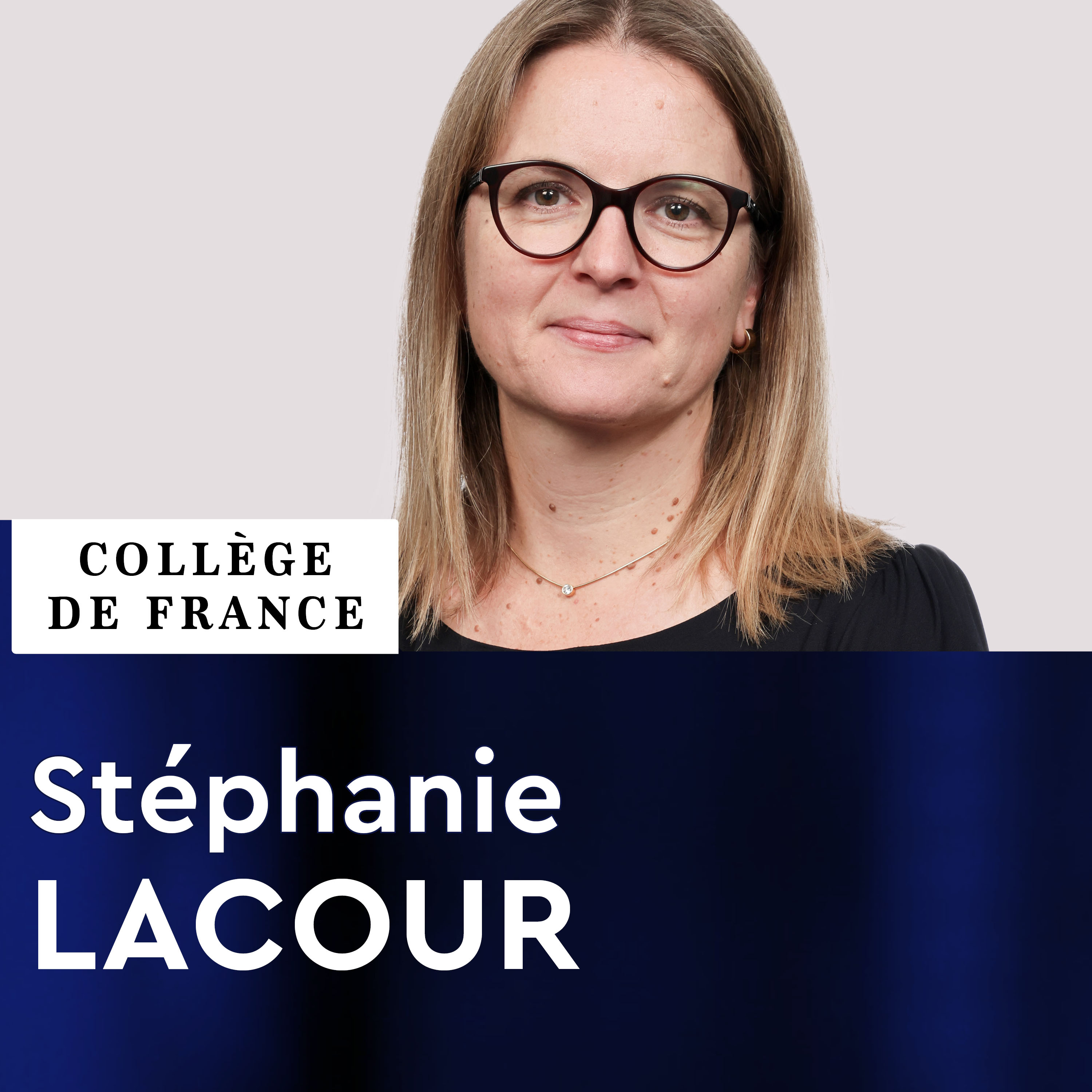
Présentation de la chaireLa chaire annuelle Innovation technologique Liliane Bettencourt, créée en 2006, marque la volonté commune du Collège de France et de la Fondation Bettencourt Schueller de mettre en valeur l'importance des travaux qui doivent être consacrés à l'innovation...
Présentation de la chaireLa chaire annuelle Innovation technologique Liliane Bettencourt, créée en 2006, marque la volonté commune du Collège de France et de la Fondation Bettencourt Schueller de mettre en valeur l'importance des travaux qui doivent être consacrés à l'innovation technologique.La neurotechnologie : science, ingénierie et thérapiesStéphanie Lacour dirige le Laboratoire des interfaces bioélectroniques souples au Campus Biotech, à Genève, où son équipe conduit des travaux à l'interface de l'ingénierie, des neurosciences et de la recherche translationnelle. Son cours s'intéressera à la neurotechnologie, domaine interdisciplinaire qui intègre diverses méthodes et approches pour explorer les mécanismes du système nerveux, diagnostiquer, traiter et atténuer les troubles neurologiques et envisager des interfaces cerveau-machine. Ces innovations offrent un avenir fascinant pour la recherche et les applications cliniques.BiographieStéphanie P. Lacour est professeure à l'École polytechnique fédérale de Lausanne et directrice de l'institut interdisciplinaire Neuro-X de l'EPFL. Ses travaux portent sur le design, la fabrication et l'implémentation de dispositifs électroniques souples visant à communiquer avec le système nerveux. Elle a bénéficié d'une ERC Starting Grant portant sur les peaux électroniques et une ERC Consolidator Grant (suisse) sur la bioélectronique implantable. Elle a reçu le TR35 du MIT Technology Review en 2006, une University Fellowship de la Royal Society en 2007 puis la Chaire Bertarelli en Neurotechnologie, EPFL en 2012.Stéphanie Lacour est invitée à occuper la chaire annuelle Innovation technologique Liliane Bettencourt du Collège de France pour l'année 2023-2024.
Afficher plus
Stéphanie LacourCollège de FranceInnovation technologique Liliane Bettencourt (2023-2024)Année 2023-2024Colloque - La neurotechnologie : The OECD's Work on Responsible Innovation in NeurotechnologyInnovating Responsibly: Neurotechnology Standards and Societal EthicsColloque coorganisé par Stéphanie Lacour, chaire Innovation technologique Liliane Bettencourt et Mme Karen Rommelfanger.Intervenant(s)Laura...
Stéphanie LacourCollège de FranceInnovation technologique Liliane Bettencourt (2023-2024)Année 2023-2024Colloque - La neurotechnologie : The OECD's Work on Responsible Innovation in NeurotechnologyInnovating Responsibly: Neurotechnology Standards and Societal EthicsColloque coorganisé par Stéphanie Lacour, chaire Innovation technologique Liliane Bettencourt et Mme Karen Rommelfanger.Intervenant(s)Laura Kreiling, Policy Analyst, OCDEThe presentation consists of three parts, the first focuses on the OECD Recommendation on Responsible Innovation in Neurotechnology [OECD/LEGAL/0457] and presents its development and context, as well as implementation efforts. The second part highlights recent OECD work on the governance emerging technologies that the OECD Neurotechnology Recommendation informed, notably the recently published Framework for Anticipatory Governance of Emerging Technologies. The presentation concludes with a live demonstration of the recently released OECD Neurotechnology Toolkit, a central implementation resource of the OECD Neurotechnology Recommendation.Laura Kreiling is a management scientist with a PhD from University Paris-Saclay, France. She is passionate about the intersection of academia and industry and worked in the private sector as project manager in the automotive industry and in strategic healthcare management before her academic research on managerial practices and context of innovation intermediary organisations in Europe. At OECD, Laura Kreiling is Policy Analyst and works on topics related to the governance of emerging technologies, including the implementation of the OECD Recommendation on Responsible Innovation in Neurotechnology.
Afficher plus
14 juin 2024 - 27min
Stéphanie LacourCollège de FranceInnovation technologique Liliane Bettencourt (2023-2024)Année 2023-2024Colloque - La neurotechnologie : Ethics: A Global Compass for Responsible Research and Human Rights – Insights from OECD and UNESCO PerspectivesInnovating Responsibly: Neurotechnology Standards and Societal EthicsColloque coorganisé par Stéphanie...
Stéphanie LacourCollège de FranceInnovation technologique Liliane Bettencourt (2023-2024)Année 2023-2024Colloque - La neurotechnologie : Ethics: A Global Compass for Responsible Research and Human Rights – Insights from OECD and UNESCO PerspectivesInnovating Responsibly: Neurotechnology Standards and Societal EthicsColloque coorganisé par Stéphanie Lacour, chaire Innovation technologique Liliane Bettencourt et Mme Karen Rommelfanger.Intervenant(s)Hervé Chneiweiss, Research Director au CNRS, Neuro-Oncologist à l'Hôpital Universitaire Pitié-Salpêtrière, Président du comité d'éthique de l'InsermSince 2015, the OECD has convened a panel of experts to develop a framework for responsible research and innovation in the field of neurotechnologies. This effort culminated in Recommendation 457 in 2019. In France, this recommendation has been implemented through the development of a Charter, which is poised to become European-wide. Additionally, an interactive toolkit has been recently introduced. Concurrently, the UNESCO International Bioethics Committee released a report in 2021 on the ethical implications of neurotechnologies. These findings serve as the foundation for ongoing efforts to adopt a recommendation in 2025, which will serve as legislative groundwork for member states. We will compare and contrast the approaches of both organizations, in which we have actively participated.Hervé Chneiweiss (MD-PhD) is a neurologist and neuroscientist, senior scientist at CNRS, he has been involved in neurogenetic research on diseases such as cerebellar ataxias and then the molecular mechanisms involved in astrocyte phenotype and plasticity, and the development of brain tumors, their epigenetic and metabolic drivers. Technical approaches include proteomics, metabolism, epigenetics, cell cultures, animal models, single cell. He has published over 170 original scientific papers (h=55, i10 112). He is currently director of the Neuroscience Paris Seine-IBPS research center (CNRS/Inserm/Sorbonne University). Hervé Chneiweiss is also involved in bioethics, adviser for life sciences and bioethics to the Minister of Research and Technology (2000-02), member of the Scientific Council of the French Parliamentary Office for Scientific and Techniques assesment (2003-16), member of the French National Ethics Committee (2013-17), member and chairman of the UNESCO International Bioethics Committee (2014-21), member of the WHO committee on Human genome governance (2019-21), expert for OECD on neurotechnology (since 2015), and currently as chairman of the Inserm Ethics Committee, EMBL Ethics Board, EBRAINS EESC and co-chair AHEG UNESCO for recommendation on neurotechnologies. Former editor in chief of Medicine/Sciences (2006-16). He has published several books for the general public (latest: Notre cerveau, L'Iconoclaste, 2019).
Afficher plus
14 juin 2024 - 28min
Stéphanie LacourCollège de FranceInnovation technologique Liliane Bettencourt (2023-2024)Année 2023-2024Colloque - La neurotechnologie : Navigating Ethical Translation of Neurotech that Benefits AllInnovating Responsibly: Neurotechnology Standards and Societal EthicsColloque coorganisé par Stéphanie Lacour, chaire Innovation technologique Liliane Bettencourt et Mme Karen Rommelfanger.Intervenant(s)Karen...
Stéphanie LacourCollège de FranceInnovation technologique Liliane Bettencourt (2023-2024)Année 2023-2024Colloque - La neurotechnologie : Navigating Ethical Translation of Neurotech that Benefits AllInnovating Responsibly: Neurotechnology Standards and Societal EthicsColloque coorganisé par Stéphanie Lacour, chaire Innovation technologique Liliane Bettencourt et Mme Karen Rommelfanger.Intervenant(s)Karen Rommelfanger, Director, Institute of Neuroethics Think and Do Tank & CEO, Ningen Neuroethics Co-LabIn this talk, Dr Rommelfanger will highlight the promise and ways forward to address some of the more pressing value conflicts that can arise in the development of brain technology. She will provide examples of promising medical applications and delve into the unique issues that arise related to personal identity, agency, and privacy. In addition, she will address challenges related to long-term responsibility for these devices, including who is accountable for their ongoing functionality and how experimental devices are maintained over time. The talk will also explore the increasingly blurred lines between therapeutic and nonmedical applications of brain technology and the implications of this trend. Dr Rommelfanger will provide overview of the global landscape of national and international governance efforts related to protecting citizens and societies. She will conclude by inviting consideration of how a cross-sectoral and diverse community perspective can better assist in designing a future of neurotech that benefits everyone.Dr Karen S. Rommelfanger is a leading neurotech ethicist and strategist. She founded the Institute of Neuroethics (IoNx), the first think tank focused solely on neuroethics, promoting trusted neuroscience across various sectors. Through her consultancy, Ningen Neuroethics Co-Lab, she works on applied neuroethics and strategy. Dr Rommelfanger is also a professor at Emory University, with expertise in neurology, psychiatry, and behavioral sciences.Her research has been published in prestigious journals like Nature and Neuron, and she co-edited the Handbook of Neuroethics. As the first neuroethicist editor at Neuron, she has held key roles with the American Journal of Bioethics Neuroscience and the International Neuroethics Society.In recognition of her contributions, Dr Rommelfanger was appointed to the US NIH BRAIN Initiative Neuroethics Working Group, DARPA's ELSI Neurotechnology Panel, and the National Academies of Sciences, Engineering, and Medicine's group on responsible neuroscience innovation in Southeast Asia. She has also consulted for the OECD and the Council of Europe, advocating for responsible neurotechnology innovation and neurorights. Dr Rommelfanger co-chaired the Global Neuroethics Workgroup of the International Brain Initiative and served on the World Economic Forum's Global Futures Council. She is a recognized commentator on neuroethics, neurotech innovation, and policy in national and international media.
Afficher plus
14 juin 2024 - 37min
Stéphanie LacourCollège de FranceInnovation technologique Liliane Bettencourt (2023-2024)Année 2023-2024Colloque - La neurotechnologie : Scaling Neurotechnologies: The Interplay of Ethical, Regulatory and Market DynamicsInnovating Responsibly: Neurotechnology Standards and Societal EthicsColloque coorganisé par Stéphanie Lacour, chaire Innovation technologique Liliane Bettencourt et Mme...
Stéphanie LacourCollège de FranceInnovation technologique Liliane Bettencourt (2023-2024)Année 2023-2024Colloque - La neurotechnologie : Scaling Neurotechnologies: The Interplay of Ethical, Regulatory and Market DynamicsInnovating Responsibly: Neurotechnology Standards and Societal EthicsColloque coorganisé par Stéphanie Lacour, chaire Innovation technologique Liliane Bettencourt et Mme Karen Rommelfanger.Intervenant(s)Olivier Oullier, Co-founder, Inclusive Brains & Chairman, Institute for Artificial Intelligence by Biotech DentalAs neurotechnologies transition from research labs to mainstream markets, they encounter a complex array of ethical considerations, regulatory frameworks, and market dynamics. The ethical and regulatory responses to the swift deployment of AI-powered neurotech are continually evolving. In this presentation, Oullier will build on his expertise in academia, policymaking, and business to champion proactive engagement with all stakeholders. This approach aims to ensure that the commercial expansion of neurotechnologies aligns with societal values and ethical principles, enhancing human capabilities while safeguarding fundamental rights. Additionally, he will address the risks posed by unregulated commercial practices as well as by poorly informed individuals involved in ethics and regulatory initiatives who are making non-evidence-based claims that could hinder both research and business progress in AI and neurotechnologies.
Afficher plus
14 juin 2024 - 41min
Stéphanie LacourCollège de FranceInnovation technologique Liliane Bettencourt (2023-2024)Année 2023-2024Colloque - La neurotechnologie : Learning from Experience: Integrating Effective Community Engagement into Neurotechnology DevelopmentInnovating Responsibly: Neurotechnology Standards and Societal EthicsColloque coorganisé par Stéphanie Lacour, chaire Innovation technologique Liliane Bettencourt et Mme...
Stéphanie LacourCollège de FranceInnovation technologique Liliane Bettencourt (2023-2024)Année 2023-2024Colloque - La neurotechnologie : Learning from Experience: Integrating Effective Community Engagement into Neurotechnology DevelopmentInnovating Responsibly: Neurotechnology Standards and Societal EthicsColloque coorganisé par Stéphanie Lacour, chaire Innovation technologique Liliane Bettencourt et Mme Karen Rommelfanger.Intervenant(s)Jennifer French, Executive Director, Neurotech NetworkIn today's ever-evolving landscape of neurotechnology, the intersection between technological advancements and community engagement holds significant importance. This is especially evident in the context of groundbreaking first-in-human clinical trials. As we embark on the exploration of effective community engagement in neurotechnology development, we will discuss insights that have the power to shape the future of this field. In this discussion, we will delve into the essence of community engagement, its essentiality in the realm of neurotechnology, and the established frameworks for its implementation, as well as introduce Collaborative Communities and that recently established for Implantable Brain-Computer Interface, iBCI-CC. She is the founder and executive director of Neurotech Network, a nonprofit organization that focuses on education and advocacy of neurotechnologies. French has helped launch successful divisions is such organizations as Bombardier Capital and Connection, as well as nonprofit organizations and community/patient engagement programs. She serves on several boards including the Institute of Neuroethics, OpenMinds platform, BRAIN Initiative MCWG & NEWG, and the American Brain Coalition. She is also a faculty member for the NeuroTech Course. Together with Drs. Lennerz & Dr. Hochberg, she recently launched the Implantable BCI Collaborative Community (iBCI-CC), a multi-stakeholder forum dedicated to advancing regulatory science in iBCIs. As a result of a snowboarding accident, French lives with tetraplegia due to a spinal cord injury. She is an early user of an experimental implanted neural prosthesis for paralysis and is the Past-President of the North American SCI Consortium. She is the author of On My Feet Again and is co-author of Bionic Pioneers. Jen is also an avid sailor. She is a silver medalist from the 2012 Paralympic Games and is the 2012 Rolex Yachtswoman of the Year; the first woman with a disability to receive this distinction.Her latest TED talk is available: https://youtu.be/tkspAQW_2sQ
Afficher plus
14 juin 2024 - 33min
14 juin 2024 - 21min
Stéphanie LacourCollège de FranceInnovation technologique Liliane Bettencourt (2023-2024)Année 2023-2024Colloque - La neurotechnologie : For Us and with USPatient-Centered Neurotechnologies: Navigating the Innovation LandscapeColloque coorganisé par Stéphanie Lacour, chaire Innovation technologique Liliane Bettencourt et Mme Karen Rommelfanger.Intervenant(s)Brandy Ellis, Lived Experience AdvocateThe...
Stéphanie LacourCollège de FranceInnovation technologique Liliane Bettencourt (2023-2024)Année 2023-2024Colloque - La neurotechnologie : For Us and with USPatient-Centered Neurotechnologies: Navigating the Innovation LandscapeColloque coorganisé par Stéphanie Lacour, chaire Innovation technologique Liliane Bettencourt et Mme Karen Rommelfanger.Intervenant(s)Brandy Ellis, Lived Experience AdvocateThe journey of a clinical trial participant turned advocate, exploring the transformative power of neurotechnology in treating depression. Through personal anecdotes and insights, discover the importance of patient-centric approaches in research, advocating for inclusion, support, and empowerment throughout the innovation process.Brandy Ellis is a passionate lived-experience advocate for neuromodulation, clinical trial participants, and mental health. Her remarkable journey as a patient-participant in implanted neural device clinical trials has garnered international attention, with her story and insights featured in radio interviews with the BBC, podcasts, articles, and presentations at prestigious institutions. In 2011, Brandy bravely enrolled in a subcallosal cingulate Deep Brain Stimulation (DBS) study at Emory University, marking the beginning of her transformative journey towards remission from treatment-resistant depression. Her advocacy work reflects her genuine desire to make a positive difference in the lives of others, serving as an inspiration to all who encounter her journey.
Afficher plus
14 juin 2024 - 33min
Stéphanie LacourCollège de FranceInnovation technologique Liliane Bettencourt (2023-2024)Année 2023-2024Colloque - La neurotechnologie : How to Build a Neurotech Startup and (Almost) SurvivePatient-Centered Neurotechnologies: Navigating the Innovation LandscapeColloque coorganisé par Stéphanie Lacour, chaire Innovation technologique Liliane Bettencourt et Mme Karen Rommelfanger.Intervenant(s)André...
Stéphanie LacourCollège de FranceInnovation technologique Liliane Bettencourt (2023-2024)Année 2023-2024Colloque - La neurotechnologie : How to Build a Neurotech Startup and (Almost) SurvivePatient-Centered Neurotechnologies: Navigating the Innovation LandscapeColloque coorganisé par Stéphanie Lacour, chaire Innovation technologique Liliane Bettencourt et Mme Karen Rommelfanger.Intervenant(s)André Mercanzini, Entrepreneur, Aleva NeurotherapeuticsNeurotechnology holds immense promise for revolutionizing the treatment of neurological disorders which are globally the most economically burdensome indications. This talk follows the entrepreneurial journey of translating research into successful neurotechnology startups, focusing on two case studies: a venture-funded deep brain stimulation (DBS) therapy for Parkinson's Disease, and an innovative Stereoencephalogram (SEEG) solution for epilepsy – both with roots at EPFL in Switzerland. We will cover a toolkit for Academic and/or Physician medical device entrepreneurs with best practices for successfully translating their potential therapies and setting them up for venture capital or strategic partnerships. A healthcare entrepreneur passionate about improving patients' lives through the innovation of new medical therapies. Currently: Founder of AngelWave Medical, developing non-invasive brain stimulation therapies using Focused Ultrasound; Founder of AirCurve Medical, developing automated anesthetic ventilation methods. Previously Founder of Aleva Neurotherapeutics, led the development of directional electrodes for Deep Brain Stimulation to treat Parkinson's Disease, conducted three successful human clinical trials, achieved CE-Mark and commercialization in Europe, FDA IDE, and raised over $75MUSD in Venture Capital. Was Co-Founder and Chairman of Adept Neuro, acquired by Dixi Medical SAS in 2022, aimed to improve neurosurgery outcomes in Epilepsy using next-generation SEEGs. Was Co-Founder and Executive Director of deepCDR Biologics (Basel) the first company to use Deep Learning to discover antibody therapies, acquired by Alloy Therapeutics in 2021. BS in Engineering Physics from the University of Toronto, MS in Management Science from Stanford University, PhD in Biomedical Engineering from EPFL, Post-Doctorate at the Department of Functional Neurosurgery, Lausanne University Hospital. Published in IEEE Transactions on Biomedical Engineering, Journal of Controlled Release (2010 cover story), Neuromodulation. Principal inventor on 15 patent families (totaling over 100 issued international patents) in healthcare technology.
Afficher plus
14 juin 2024 - 34min
Stéphanie LacourCollège de FranceInnovation technologique Liliane Bettencourt (2023-2024)Année 2023-2024Colloque - La neurotechnologie : Key Lessons from Journeys into Neurotech InnovationPatient-Centered Neurotechnologies: Navigating the Innovation LandscapeColloque coorganisé par Stéphanie Lacour, chaire Innovation technologique Liliane Bettencourt et Mme Karen Rommelfanger.Intervenant(s)Michel Decré, Directeur,...
Stéphanie LacourCollège de FranceInnovation technologique Liliane Bettencourt (2023-2024)Année 2023-2024Colloque - La neurotechnologie : Key Lessons from Journeys into Neurotech InnovationPatient-Centered Neurotechnologies: Navigating the Innovation LandscapeColloque coorganisé par Stéphanie Lacour, chaire Innovation technologique Liliane Bettencourt et Mme Karen Rommelfanger.Intervenant(s)Michel Decré, Directeur, IshindenBased on 20 years of experience in the field, we will review the best practices, retrospective patterns, and specific challenges of leading neurotech startups from ideation to market introduction, at the interface between technological breakthrough, therapeutic innovation, and business creation.An engineer in applied physics from the Free University Brussels (1992), Michel Decré obtained his PhD in physics at the ENS Paris in 1994. After a post-doc for the ESA at the von Karman Institute for Fluid Dynamics in Brussels, he joined Philips Research in Eindhoven (NL) in 1996. There, he contributed to the development of the Blu-ray disc and the micro- and nanocontact printing now marketed as SCIL by Suss Microtech. From 2005, he started and lead the Philips Research implantable neurotechnology programme, and in 2010 he initiated its Healing Environment programme. In 2011, he left Philips to spin-off Sapiens Steering Brain Stimulation as its founding Chief Technology Officer. After Medtronic acquired Sapiens, he became Director of Research and Technology at the Medtronic Eindhoven Development Center. In 2017, he co-founded Salvia Bioelectronics and has been an independent consultant for neurotech and medtech startups since 2018. He currently devotes most of his efforts to the destiny of INBRAIN Neuroelectronics (Barcelona, SP). Michel Decré was a visiting professor at the Mechanical School of Leeds University, UK, from 2003 to 2013; he co-authored 23 peer-reviewed articles and is the inventor of 20 US-granted patents.
Afficher plus
14 juin 2024 - 41min
Stéphanie LacourCollège de FranceInnovation technologique Liliane Bettencourt (2023-2024)Année 2023-2024Colloque - La neurotechnologie : Designing Brain Interfaces for Pediatric ApplicationsPatient-Centered Neurotechnologies: Navigating the Innovation LandscapeColloque coorganisé par Stéphanie Lacour, chaire Innovation technologique Liliane Bettencourt et Mme Karen Rommelfanger.Intervenant(s)Timothy Denison, Department of...
Stéphanie LacourCollège de FranceInnovation technologique Liliane Bettencourt (2023-2024)Année 2023-2024Colloque - La neurotechnologie : Designing Brain Interfaces for Pediatric ApplicationsPatient-Centered Neurotechnologies: Navigating the Innovation LandscapeColloque coorganisé par Stéphanie Lacour, chaire Innovation technologique Liliane Bettencourt et Mme Karen Rommelfanger.Intervenant(s)Timothy Denison, Department of Engineering Science, University of OxfordThe emerging field of bioelectronics provides a novel alternative to pharmaceutical intervention by using electronic hardware to intelligently sense and stimulate the nervous system.I will summarize the challenges and opportunities of translational bioelectronic systems face when bridging basic science, regulated technology, and health care economics – particularly for applications in paediatric medicine. This assessment motivates an innovation framework that leverages the unique capabilities of bioelectronic platforms -- from designing implantable scientific instruments that enable novel clinical neuroscience, to applying the resulting science to prototype new therapies. To provide an illustrative example of the platform and innovation framework, I will highlight experiences from the "Picostim-DyNeuMo," which is a collaborative, investigational research tool developed jointly by industry and academics. This system is targeting first-in-human clinical studies exploring challenging neurological disorders such as epilepsy, chronic pain, and disorders of consciousness, and the talk will emphasize the innovations required specifically for addressing paediatric epilepsy.Professor Denison holds a Royal Academy of Engineering Chair in Engineering Science and Clinical Neurosciences at Oxford, where he explores the fundamentals of physiologic closed-loop systems in collaboration with the MRC Brain Network Dynamics Unit. Tim serves as an advisor to several governments and industry boards on the field of translational medical devices; in particular, helping define strategies for mapping scientific discovery to product development roadmaps within the regulatory and economic constraints of medical systems. To support translation to the clinic, he is a director and chief engineer of Amber Therapeutics, which designs, manufactures, and distributes the Picostim-DyNeuMo investigational research system that is active in four first-in-human trials. Prior to joining Oxford, Tim was a Technical and Bakken Fellow at Medtronic PLC and Vice President of Research & Core Technology for the Restorative Therapies Group, where he helped oversee the design of next generation neural interface and algorithm technologies for the treatment of chronic neurological disease. In 2015, he was elected to the College of Fellows for the American Institute of Medical and Biological Engineering (AIMBE). He has an MS and PhD from MIT in electrical engineering, an AB in Physics and MBA from the University of Chicago.
Afficher plus
14 juin 2024 - 33min
Collège de France
Collège de France